Table of Contents
- Why West Africa Is the Next Big Opportunity
- The 5 Biggest Challenges US Exporters Face
- Step-by-Step: How to Export to West Africa
- Understanding ECOWAS Customs & Compliance
- Logistics: The Port of Cotonou Advantage
- Finding Reliable Distributors & Partners
- Do You Need a Local Representative Office?
- How to Get Paid Safely (L/C, Escrow, USDT)
- 7 Mistakes to Avoid When Entering Africa
- Frequently Asked Questions
West Africa is home to over 400 million consumers — and it's one of the fastest-growing economic regions in the world. For American and Canadian businesses looking to diversify beyond saturated markets, the opportunity is enormous.
But knowing there's an opportunity isn't the same as knowing how to capture it. Customs procedures, logistics, local partnerships, and payment security all require local expertise.
This guide is designed to walk you through every step of the process — from initial market research to establishing a local representative office. It's written by the team at CDR GROUP INTERNATIONAL, a Benin-based brokerage and consulting firm that has helped hundreds of traders enter the West African market.
Download our free checklist or get the full West African Export Blueprint 2026 ($97) — a 10-page actionable guide.
1. Why West Africa Is the Next Big Opportunity
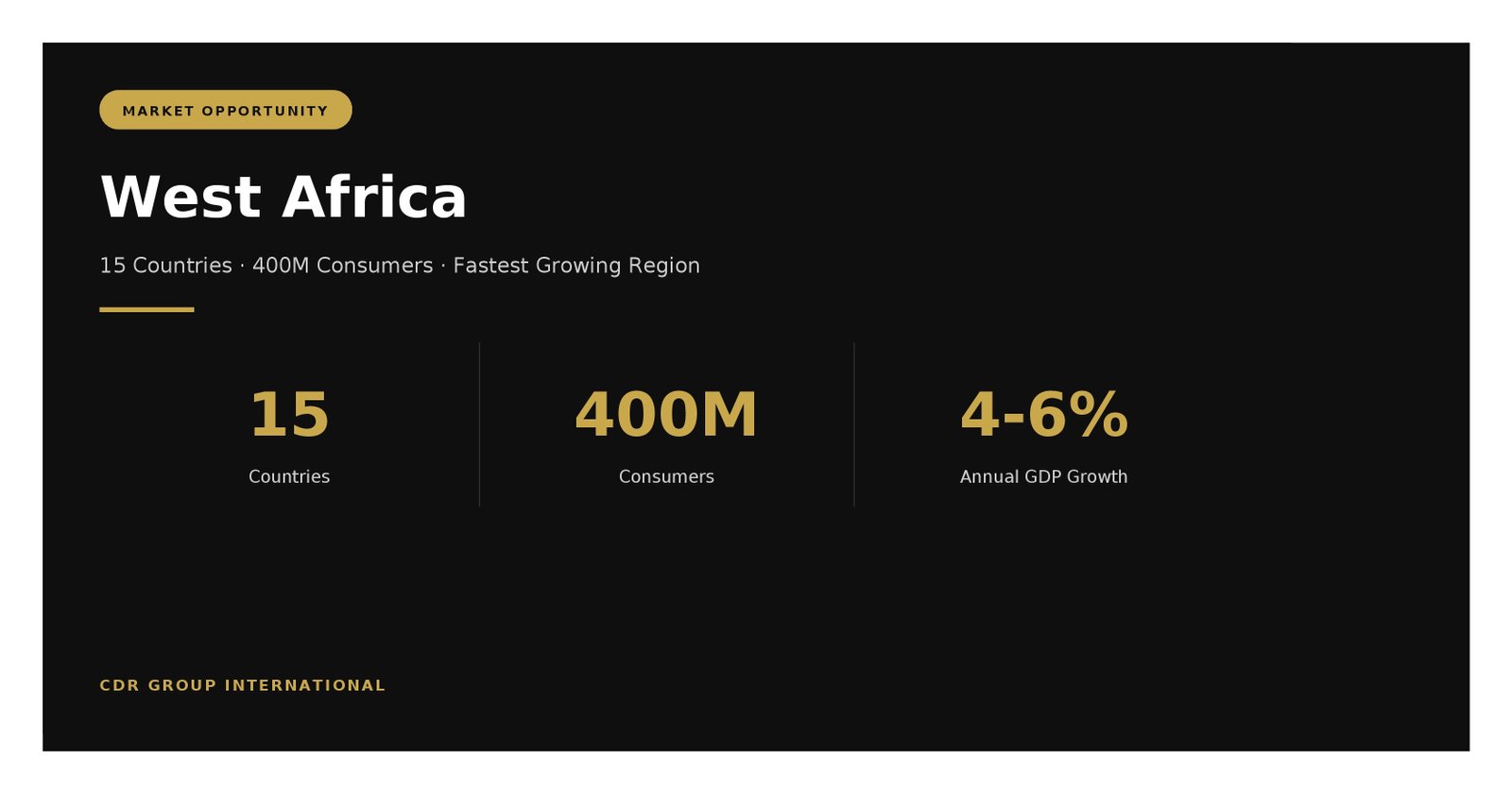
West Africa comprises 15 countries, including Nigeria (Africa's largest economy), Ghana, Côte d'Ivoire, Senegal, and Benin. The region's GDP has grown at an average of 4-6% annually over the past decade, and its middle class is expanding rapidly.
Key Market Indicators
| Country | Population | GDP (USD) | Key Imports |
|---|---|---|---|
| Nigeria | 220M | $477B | Machinery, vehicles, food, electronics |
| Ghana | 34M | $77B | Industrial equipment, consumer goods |
| Côte d'Ivoire | 28M | $79B | Machinery, food, chemicals |
| Senegal | 18M | $28B | Food, equipment, pharmaceuticals |
| Benin | 13M | $17B | Consumer goods, machinery, food |
2. The 5 Biggest Challenges US Exporters Face
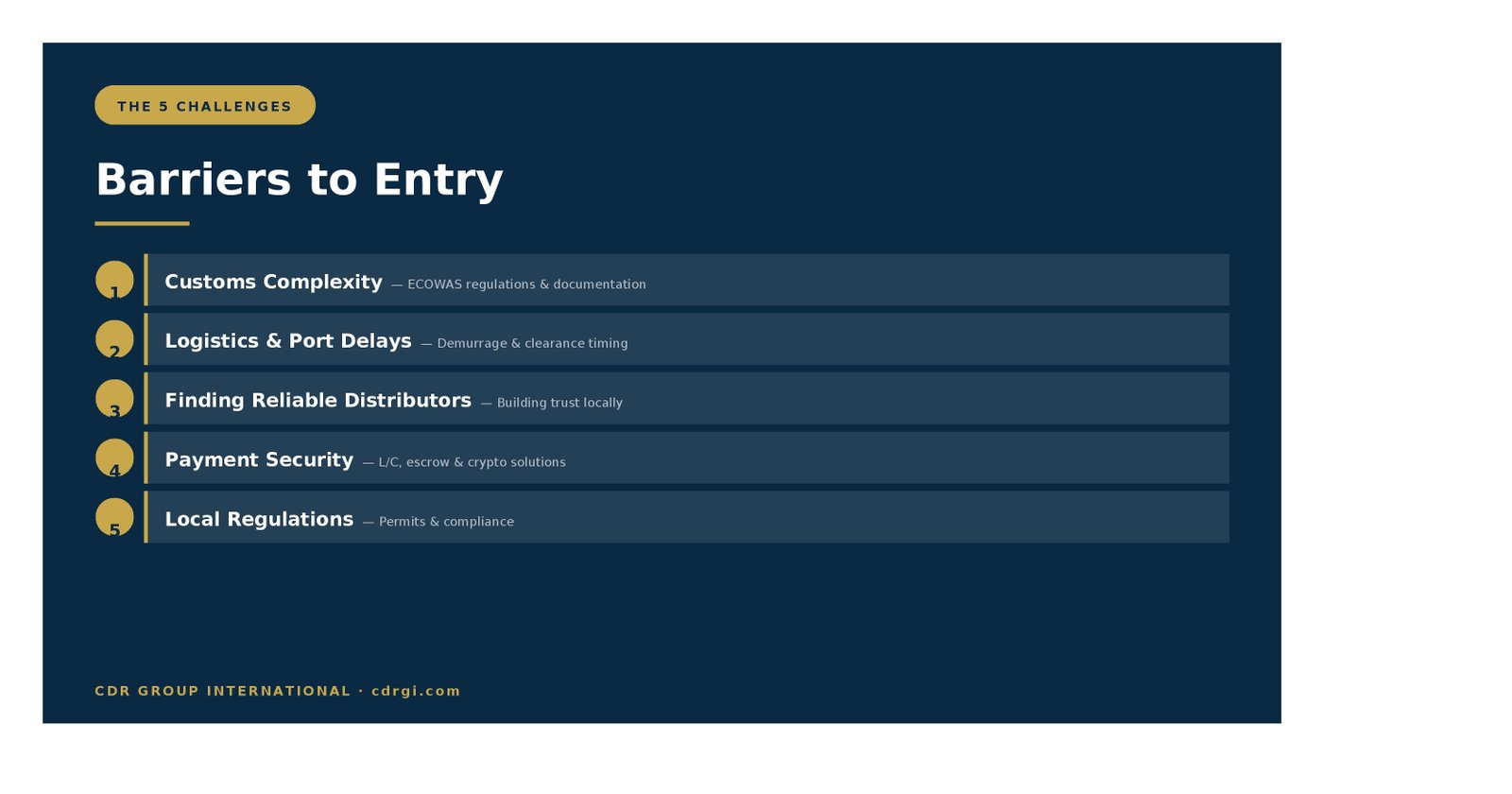
Before we walk through the solution, let's be honest about the obstacles:
Challenge 1: Customs Complexity
Each West African country has its own customs procedures, but they all follow the ECOWAS Common External Tariff (CET). Without proper documentation, your goods can be stuck at port for weeks — accumulating demurrage fees of $100-$300 per day.
Challenge 2: Logistics & Port Delays
Port congestion, poor infrastructure, and slow clearance are common. Working with a local broker and using the Port of Cotonou as your entry point can dramatically reduce delays.
Challenge 3: Finding Reliable Distributors
Without local knowledge, it's easy to partner with the wrong distributor. Trust is built over time, and local connections matter.
Challenge 4: Payment Security
Currency fluctuations, payment delays, and fraud risk make payment security a top concern. Letters of Credit and now USDT (crypto) payments offer solutions.
Challenge 5: Understanding Local Regulations
From import permits to sanitary certificates, each product category has specific requirements. Ignoring them can result in fines or seizure.
🎯 Skip the Learning Curve
Get the complete 10-page blueprint used by over 150 exporters to enter West Africa successfully.
Get the Blueprint — $973. Step-by-Step: How to Export to West Africa
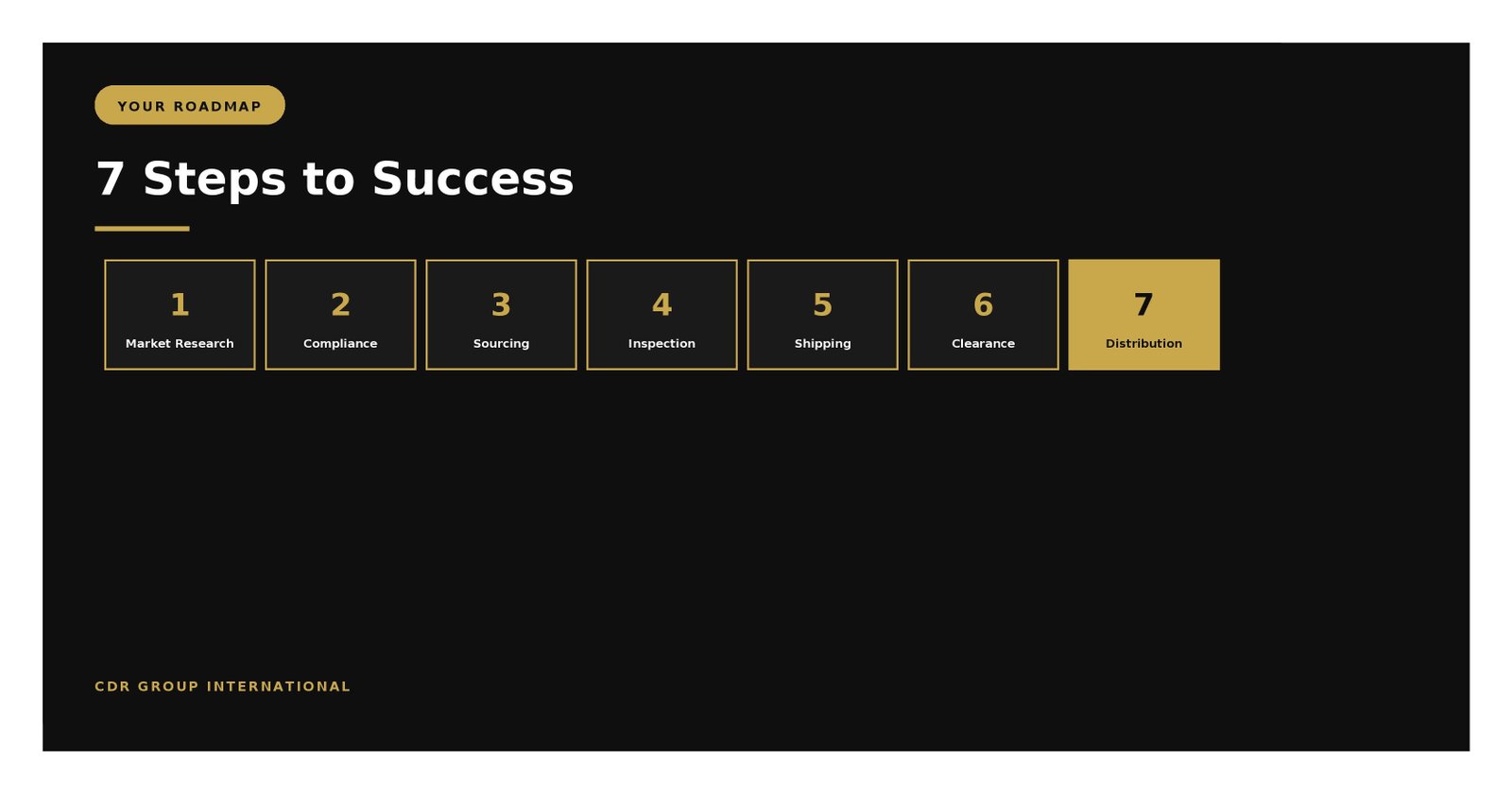
Here's the exact process successful exporters follow. You can adapt it to your specific product and target market.
Step 1: Market Research & Product Fit
Not every product sells in every market. Start by identifying where your product has the strongest demand. For example:
- Nigeria: Machinery, vehicles, consumer electronics, processed food
- Ghana: Industrial equipment, construction materials, pharmaceuticals
- Côte d'Ivoire: Agricultural machinery, food processing equipment
- Senegal: Fishing equipment, food, pharmaceuticals
- Benin: Consumer goods, machinery, food products
Step 2: Compliance & Documentation
Before shipping anything, ensure you have:
- Commercial Invoice
- Packing List
- Bill of Lading
- Certificate of Origin
- Pre-Shipment Inspection (PSI) certificate (if required)
- Electronic Cargo Tracking Note (ECTN/BESC)
- Any product-specific permits (sanitary, phytosanitary, etc.)
Step 3: Sourcing & Supplier Audit
If you're manufacturing in the US or Canada, you've already got this covered. If you're sourcing from a third country (e.g., China), always conduct a factory audit before placing a large order.
Step 4: Pre-Shipment Inspection (PSI)
Hire a certified third-party inspector to verify quality, quantity, and conformity to your specifications before the goods leave the factory.
Step 5: Shipping & Logistics
Choose your shipping method:
- Sea freight: 25-35 days from US East Coast to Cotonou. Cost: $2,000-$5,000 per 20ft container.
- Air freight: 3-7 days. Cost: $5-$10 per kg.
Step 6: Customs Clearance
Your local customs broker submits documents via the GUCE (single window) platform. Clearance typically takes 5-15 days.
Step 7: Local Distribution
Once cleared, your goods are distributed through your local partner network — wholesalers, retailers, or direct-to-consumer.
4. Understanding ECOWAS Customs & Compliance
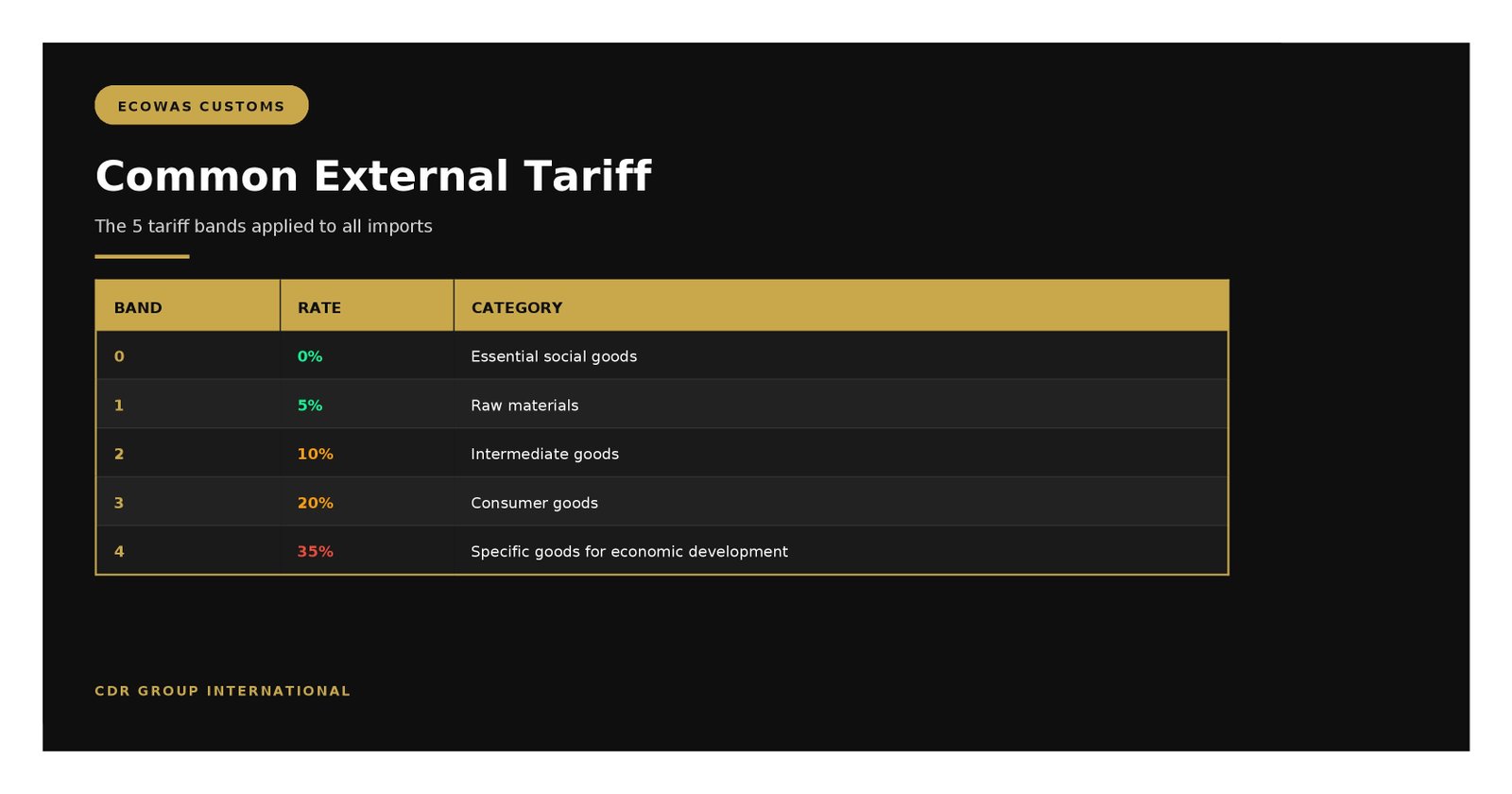
The ECOWAS Common External Tariff (CET) is a uniform system of customs duties applied to goods imported into ECOWAS member states from outside the region.
The 5 Tariff Bands
| Band | Rate | Category | Examples |
|---|---|---|---|
| 0 | 0% | Essential social goods | Medicines, books, some food staples |
| 1 | 5% | Raw materials | Unprocessed agricultural products, ores |
| 2 | 10% | Intermediate goods | Semi-finished products, parts |
| 3 | 20% | Consumer goods | Finished products, electronics |
| 4 | 35% | Specific goods for economic development | Certain protected industries |
Beyond duties, you'll pay VAT (typically 18%) and other local taxes.
5. Logistics: The Port of Cotonou Advantage
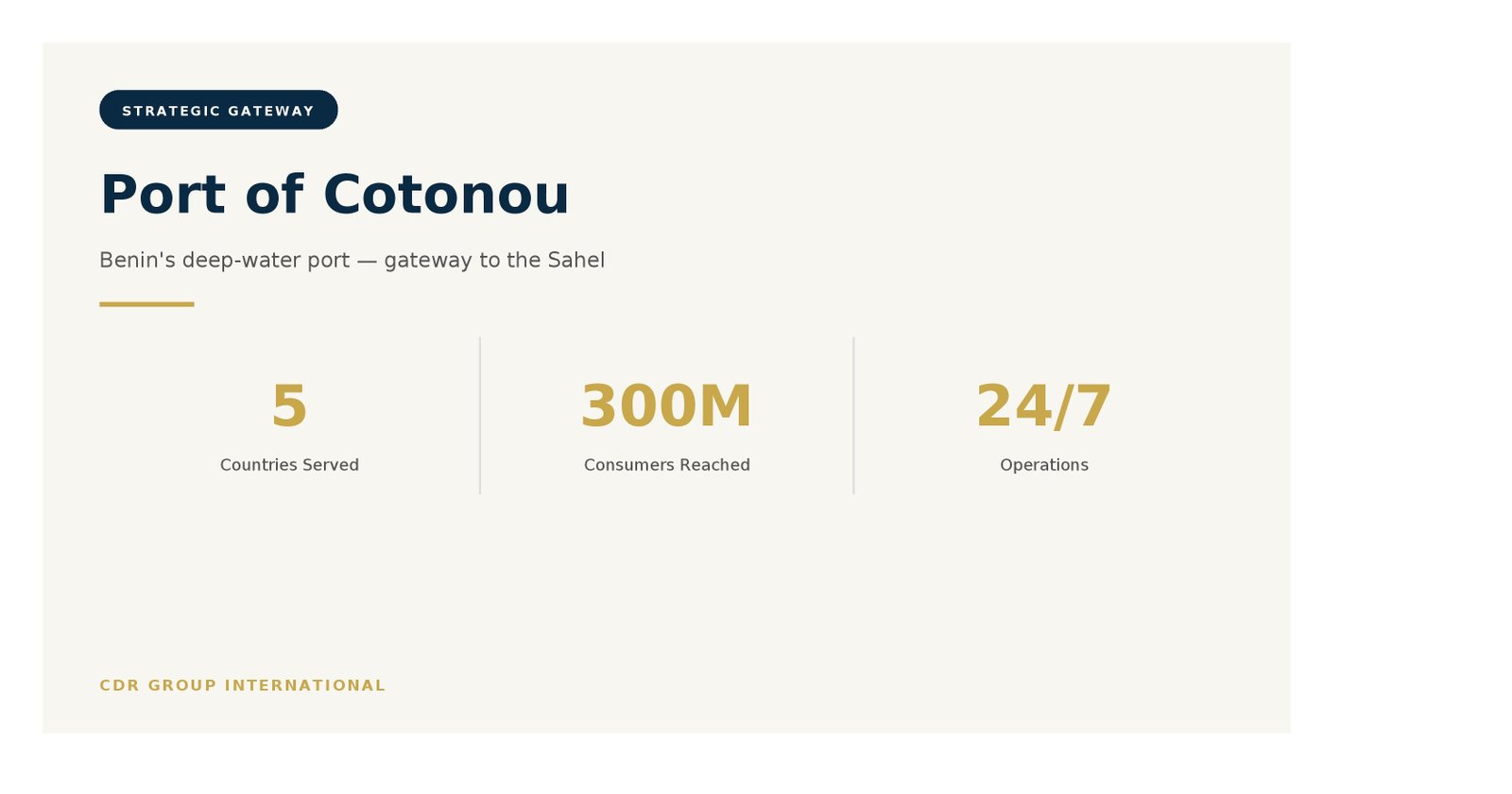
The Port of Cotonou in Benin is one of West Africa's most strategic entry points. It serves not only Benin but also Niger, Burkina Faso, Nigeria, and Chad — a combined market of over 300 million consumers.
Why Choose the Port of Cotonou?
- Deep-water access: Handles large vessels directly
- Modern infrastructure: Recent investments in terminal equipment
- Strategic location: Gateway to the Sahel region
- Digital customs: GUCE platform streamlines clearance
📘 Need the Full Blueprint?
Get the complete 10-page guide with checklists, templates, and step-by-step instructions.
Download Now6. Finding Reliable Distributors & Partners
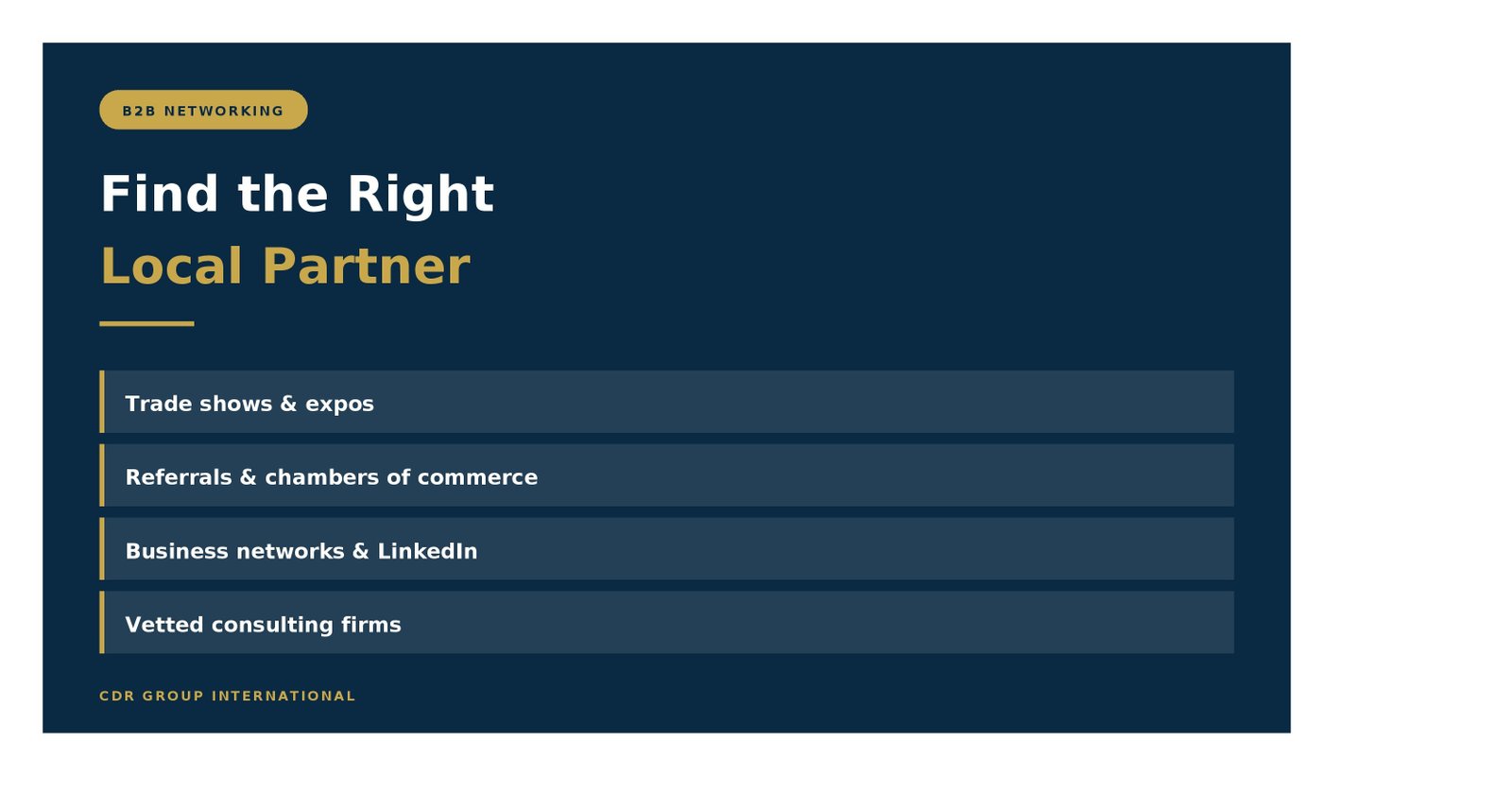
Your local partner is the single most important factor in your success. Here's how to find the right one:
Where to Find Distributors
- Trade shows: SIAL, Africa Food Show, West Africa Trade Fair
- Referrals: Ask other exporters, chambers of commerce
- Business networks: LinkedIn, African business councils
- Consulting firms: Like CDR GROUP INTERNATIONAL, we connect businesses with vetted local partners
How to Vet a Distributor
- Verify their registration (RCCM in Francophone countries)
- Ask for references from other international clients
- Request financial statements
- Visit their warehouse or office
- Start with a small trial order
7. Do You Need a Local Representative Office?
If you're planning to export regularly, a local representative office is strongly recommended. It can:
- Handle customs clearance efficiently
- Manage local relationships with distributors
- Provide market intelligence
- Represent your brand professionally
- Ensure compliance with local regulations
Setting up a physical office can be expensive. That's why many businesses choose to work with a local consulting firm like CDR GROUP INTERNATIONAL, which acts as their representative on the ground without the overhead of a full office.
8. How to Get Paid Safely
Payment security is critical. Here are your main options:
| Method | Security | Speed | Best For |
|---|---|---|---|
| Advance Payment | Highest (for seller) | Fast | Small orders, new relationships |
| Letter of Credit (L/C) | Very high | Slow (5-10 days) | Large transactions |
| Escrow Service | High | Medium | Mid-size transactions |
| USDT (Crypto) | High (with care) | Instant | Fast, low-fee international payments |
Many African buyers now pay in USDT (stablecoin). The Solana network offers near-instant transactions with fees under $0.01. Learn how in our Export Blueprint.
9. 7 Mistakes to Avoid When Entering Africa
- Shipping without a local broker — customs delays will cost you more than the broker's fees
- Skipping the PSI — receiving non-conforming goods is a nightmare to resolve
- Choosing a distributor too quickly — vet them thoroughly before committing
- Underestimating documentation — missing one document can freeze your goods for weeks
- Ignoring cultural differences — relationships matter more than contracts in many African markets
- Not visiting the region — even one trip builds invaluable trust
- Not protecting your payments — always use secure payment methods
10. Frequently Asked Questions
🚀 Ready to Enter the West African Market?
Download the complete West African Export Blueprint 2026 and get the step-by-step roadmap used by 150+ successful exporters.
Get the Blueprint — $97 Contact UsCDR GROUP INTERNATIONAL is a Benin-based brokerage and consulting firm specializing in international trade, import-export, and business consulting. We help US and Canadian businesses enter the West African market through our on-the-ground expertise, local network, and proven methodology. Learn more →